Baby Princess Shadow Box SVG Review
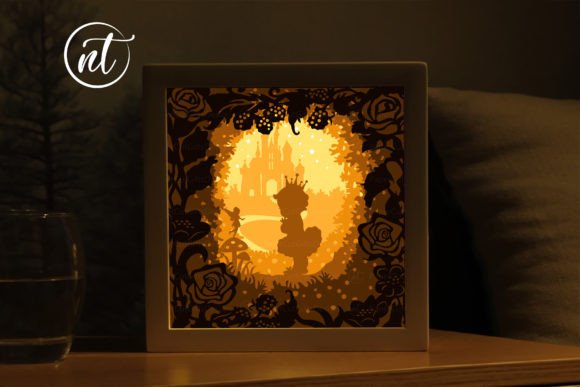
As a designer who has spent years navigating the intersection of digital assets and tangible thread, I approach every new file with a critical eye. The market is flooded with generic patterns, but occasionally, a concept arrives that challenges how we think about depth and texture in textile art. The Baby Princess Shadow Box SVG is one such design. At first glance, it appears to be a standard princess-themed illustration, but its core promise lies in its structural intent. This is not merely a flat image; it is a blueprint for creating dimension. The description notes that the effect is achieved by combining multiple layers of paper with 5mm foam board spacers to create genuine 3D space. While this specific instruction points toward papercraft, my mind immediately shifts to how this layered logic translates into the world of machine embroidery design and mixed-media projects.
The Visual Mood and Design Intent
When I opened the file on my screen, the first thing that struck me was the deliberate separation of elements. Unlike traditional single-layer vector files where everything sits on the same plane, the Baby Princess Shadow Box SVG breaks the composition into distinct tiers. This creates a visual rhythm that suggests movement and depth even before a single stitch is placed. For an Etsy seller or a boutique owner looking to elevate their nursery decor line, this kind of visual personality is invaluable. It moves away from the flat, sticker-like appearance of many mass-produced designs and offers something that feels handcrafted and substantial.
The theme itself is timeless. A baby princess motif is a staple for personalized gifts, but the execution here feels more sophisticated. The layout allows for negative space to breathe, which is crucial when considering how light interacts with shadows in a finished product. If you are planning a handmade product line, this design offers a natural way to incorporate mixed media. Imagine the silhouette of the princess cut from felt or stiffened fabric, floating above a background layer of satin-stitched floral details. That is the potential hidden within these layers.
Translating Layers to Thread: A Real-World Scenario
To truly test the viability of this design, I imagined a specific project: a custom tote bag design for a high-end children's boutique. The client wanted something that would stand out on a crowded shelf, something tactile that parents would want to touch. Using the Baby Princess Shadow Box SVG as the foundation, I visualized a three-part construction. The bottom layer would be a dense fill stitch on a sturdy canvas tote, perhaps in a soft pastel blue. The middle layer, separated by a physical spacer (mimicking the 5mm foam concept), would be a cut-out applique of the princess dress using velvet. The top layer could feature delicate satin stitch accents for the crown and wand.
This approach transforms a simple embroidery file into a sculptural piece. In a real-life scenario like this, the customer isn't just buying a bag; they are buying a keepsake. The depth created by the shadow box concept adds immediate value to the finished product. When a parent sees the princess figure seemingly floating off the bag, the perceived quality skyrockets. It signals attention to detail and craftsmanship, two things that drive repeat business for any craft business.
Navigating Fabric and Hoop Challenges
However, working with multi-layered concepts requires careful consideration of your materials. The Baby Princess Shadow Box SVG is ambitious, and ambition can lead to frustration if the wrong substrate is chosen. For instance, attempting this on thin, stretchy fabrics like jersey knit would be a disaster. The weight of the layers and the tension required to hold them in place would distort the garment. I strongly advise using this design on stable, medium-to-heavyweight fabrics like denim, canvas, or felt.
Furthermore, the hoop size becomes a critical factor. Because the design relies on distinct layers, you cannot simply hoop the entire area at once. You will likely need to use a larger hoop to accommodate the spacing between layers, or work in sections and assemble manually. If you attempt to force all the detail into a small 4x4 inch hoop, the stitch density may become too high, leading to puckering or thread breakage. Always test the design on scrap fabric first. Check how the different layers interact under tension. Does the stabilizer hold up? Do the edges fray?
Considerations for Textured and Dark Fabrics
If you plan to use this on textured fabrics like corduroy or fleece, the "shadow" effect might get lost in the fabric's own ridges. The crisp lines needed for the shadow box illusion require a relatively smooth surface to shine. Similarly, on dark fabrics, the contrast of the layers is essential. You must carefully select your thread colors to ensure each tier pops against the background. A black-on-black look might be trendy, but for a baby princess theme, clarity is key. Test your design in black and white mockups to see if the hierarchy of layers remains visible before committing to expensive thread.
Commercial Viability and Brand Consistency
For the small shop owners and digital product sellers reading this, consider how this design fits into your brand narrative. The Baby Princess Shadow Box SVG lends itself beautifully to holiday collections, birthday merchandise, and wedding shower favors. Its unique structure makes it highly recognizable, aiding in brand consistency across different items. Whether it's a pillow cover, an apron, or a wall hanging, the design maintains its identity because of its dimensional nature.
However, before listing these items for sale, you must confirm the licensing terms. Just because you have the digital embroidery file does not automatically grant you commercial rights to sell the physical goods or resell the design itself. Many designers offer personal-use licenses only. Verify this step to protect your business reputation. Additionally, if you are selling the physical embroidered items, ensure your production process can consistently replicate the 3D effect. One uneven layer can ruin the illusion and damage customer trust.
Final Designer Notes
In conclusion, the Baby Princess Shadow Box SVG is a powerful tool for those willing to push beyond standard embroidery techniques. It invites you to think like a sculptor rather than just a stitcher. By embracing the layered concept—whether through actual foam spacers in a frame or clever layering of fabric and thread—you can create custom apparel and home decor that feels truly bespoke.
My advice is to start small. Create a sample embroidered patch or a mini pillow to perfect your technique. Pay close attention to your stabilizer choice; a tear-away might not provide enough support for heavy layering, so a cut-away or water-soluble option might be better. Remember, the goal is to create a sense of wonder. When a customer holds a product where the princess seems to step out of the page, you have succeeded. This design offers that magic, provided you respect the mechanics of the craft and prepare your materials accordingly.