Groom and Bride Shadowbox Design Review
As a designer who has spent years navigating the intersection of digital files and physical thread, I approach every new asset with a critical eye. The market is flooded with generic patterns, but finding a Groom and Bride Shadowbox template that translates well from screen to fabric requires careful scrutiny. This specific design caught my attention not just for its romantic theme, but for its potential as a high-value 3D SVG project. Before integrating it into my workflow or recommending it to fellow craft business owners, I needed to understand how it behaves in real-world scenarios.
First Impressions: Mood and Visual Weight
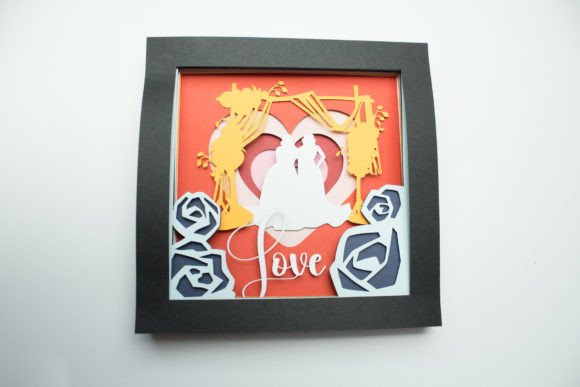
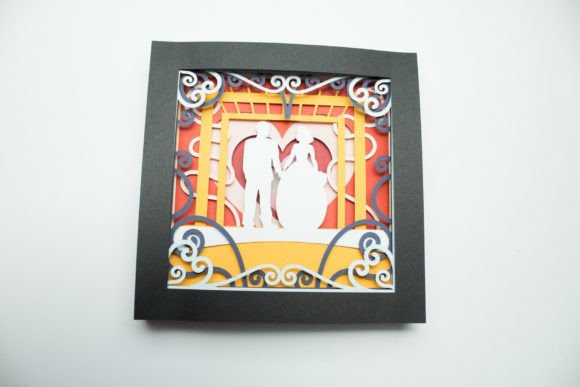
When you first load the Groom and Bride Shadowbox file into your preferred software, the immediate impression is one of classic elegance. Unlike flat, two-dimensional silhouettes often found in standard machine embroidery designs, this template is built with depth in mind. The layout suggests a layered composition, which is essential for creating that coveted shadowbox effect. For anyone looking to elevate their Table Decorations line or create standout wedding gifts, the visual personality here is distinct. It avoids the cluttered look of overly dense fill stitch areas and instead relies on clean lines and negative space to define the figures.
The design feels substantial without being heavy. In the context of custom apparel, this balance is crucial. If a design is too dense, it puckers the fabric; if it is too sparse, it lacks impact. The Groom and Bride Shadowbox strikes a middle ground that promises a professional finish. The shapes are bold enough to be recognized from a distance, yet they retain enough detail to reward close inspection. This makes it an excellent candidate for both personal projects and commercial design assets.
Real-World Application: From File to Fabric
To truly evaluate this embroidery file, I imagined a specific scenario: preparing a custom embroidered tote bag for a bridal shower boutique client. The client wanted something unique that felt handmade but polished. Using the Groom and Bride Shadowbox as the centerpiece, I could visualize the layers coming together. The 3D SVG nature of the file allows for precise cutting of different fabric layers before stitching them down, which is superior to trying to achieve depth solely through thread manipulation.
In this tote bag design context, the sturdy canvas of the bag provides a perfect foundation. The design would likely require a combination of satin stitch for the outlines and borders, providing a glossy, defined edge, while the interior details might use a low-density running stitch or fill to keep the weight manageable. For sweatshirt embroidery, the same principle applies, though the stretch of the knit fabric demands extra care with stabilizers. The Groom and Bride Shadowbox works beautifully here because the figures are distinct; even if the fabric shifts slightly during washing, the core imagery remains recognizable.
I also considered how this would perform as an embroidered patch. Patches are a staple for many Etsy sellers and small shop product lines. The clean vectors of this template ensure that when cut out and backed with fusible web, the edges remain crisp. Whether applied to a denim jacket, a cap, or a backpack, the design holds its shape. For holiday embroidery or wedding season merchandise, having a versatile asset like this means you can pivot quickly between product types without losing quality.
Navigating Challenges: Where Caution Is Needed
Despite its strengths, the Groom and Bride Shadowbox is not a magic bullet for every situation. As a reviewer, I must point out where this design requires caution. Small hoop sizes are a significant limitation. Because the design relies on layering to create its 3D effect, shrinking it down to fit a 4x4 inch hoop will likely compromise the integrity of the smaller details. Tiny lettering or intricate features within the groom or bride's attire may get lost or merge into blobs of thread if scaled too aggressively.
Fabric texture is another critical factor. On highly textured fabrics like terry cloth or thick linen, the fine lines of the shadowbox effect might struggle to pop. The nap of the fabric can obscure the subtle shadows created by the layers. Similarly, thin or sheer fabrics are risky candidates. Without a robust stabilizer, the multiple layers of applique and stitching could cause the material to warp or tear. Stretchy fabrics present a similar challenge; the tension required to hold the layers in place can distort the design over time.
Dark fabrics also demand a strategic approach. While the design looks great on white or cream backgrounds, applying it to black or navy requires careful consideration of thread colors. You cannot simply rely on the fabric color to provide contrast for the "shadow" effect. You may need to add an underlay or change the stitching strategy entirely to ensure the figures stand out. Furthermore, products that undergo frequent washing, such as kitchen towels or baby clothes, should be tested thoroughly. The repeated agitation can loosen the adhesive bonds of the layers if not secured properly with a strong top stitch.
Design Integrity and Commercial Viability
For the creative entrepreneur or digital product seller, the value of the Groom and Bride Shadowbox lies in its ability to enhance brand consistency. A well-executed project using this template signals professionalism. Customers trust brands that deliver high-quality handmade products with attention to detail. When a buyer sees a finished product where the layers align perfectly and the stitching is smooth, their perception of value increases immediately.
This design boosts buyer engagement because it offers a tangible sense of craftsmanship. In a market saturated with printed transfers, a true 3D shadowbox piece stands out. It invites touch and admiration, making it an ideal personalized gift or a premium item in a craft fair booth. However, to maintain this reputation, designers must adhere to best practices. Always test the design on scrap fabric first. Check the stitch density to ensure it doesn't overwhelm the material. Confirm the hoop size matches your intended application.
It is also vital to inspect small details in a black and white mockup before committing to expensive thread and fabric. Compare how the design looks on light versus dark backgrounds to anticipate contrast issues. Use the proper stabilizer recommended for your specific fabric type. Finally, always confirm licensing terms. While the download includes formats like SVG, PDF, EPS, PNG, and DXF, along with a PDF containing detailed instructions on how to create the shadowbox, you must verify whether you are allowed to sell the finished items or the digital files themselves. Understanding these boundaries protects your craft business and ensures long-term success.
Final Verdict for the Maker
The Groom and Bride Shadowbox is a robust tool for designers willing to put in the effort to execute it correctly. It is not merely a file to be stitched; it is a blueprint for creating a dimensional art piece. When used on appropriate materials like structured bags, pillow covers, or stable apparel, it delivers a stunning result that elevates any wedding gift collection. By respecting its limitations regarding scale and fabric type, and by following the included instructions meticulously, makers can produce a finished product that commands attention and respect. For those seeking to add depth and sophistication to their portfolio, this design is a worthy addition to your library of machine embroidery designs.