Christmas Card Layered 10: A Designer's Review
As a designer who has spent years navigating the intersection of digital art and physical stitching, I approach every new machine embroidery design with a critical eye. It is not enough for a file to look good on a screen; it must translate seamlessly into thread, stabilizer, and fabric. Recently, I downloaded the Christmas Card Layered 10 - Svg Eps Ai P package to evaluate its potential for my upcoming holiday collection. The promise of a layered design is always exciting, but does it hold up under the scrutiny of a real-world production workflow? Here is my honest assessment of how this specific asset performs when moved from the digital realm to the embroidery hoop.
The First Impression: Structure and Depth
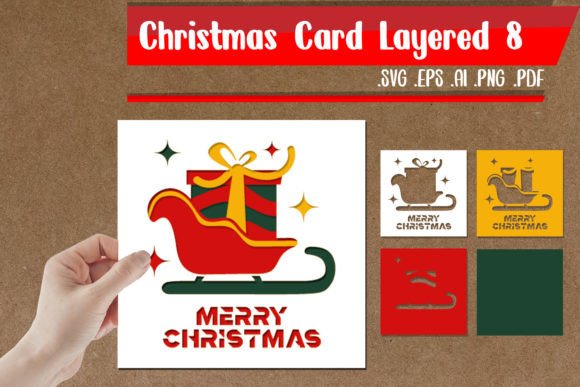
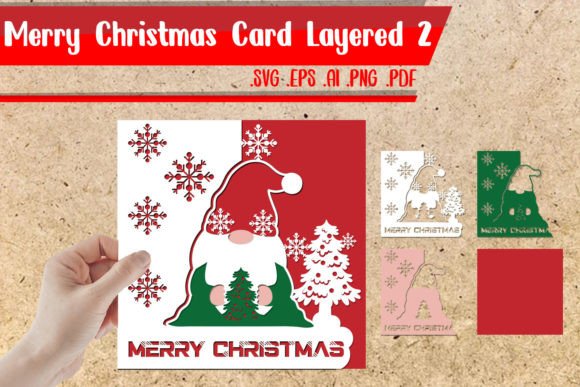
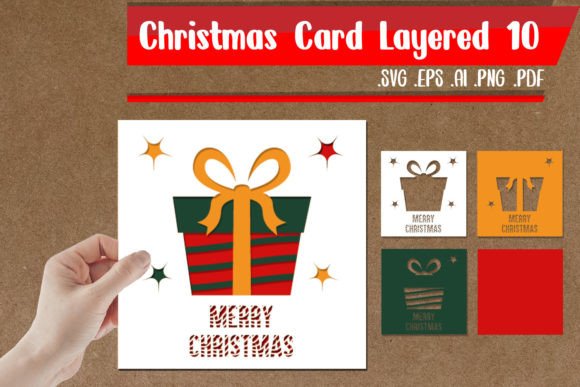
Upon opening the zip file, the organization was immediately apparent. The delivery format ensures that each design sits in its own folder, containing six different file forms. For a professional who switches between vector software and embroidery machines, this versatility is non-negotiable. However, the true test lies in the visual architecture of the design itself. The Christmas Card Layered 10 presents a distinct 3D SVG aesthetic that relies heavily on depth rather than just flat color fills.
The design consists of four distinct layers. In the context of holiday embroidery, layering is a powerful tool to create dimension without excessive stitch counts. My initial observation suggests that these layers are designed to interact with one another, likely creating a shadow or elevation effect that mimics a pop-up card. This makes it an excellent candidate for projects where texture is key. The mood it creates is festive yet sophisticated, avoiding the clutter often found in generic holiday patterns. It feels like a piece meant to anchor a project, whether that is a high-end boutique item or a cherished personalized gift.
Real-World Application: From File to Fabric
To truly understand the value of this embroidery file, I visualized it on a custom embroidered tote bag intended for a local craft fair. Tote bags are a staple for small business owners and Etsy sellers, but they present unique challenges due to their woven texture and frequent handling. When I mapped out the placement for the Christmas Card Layered 10, the four-layer structure proved advantageous. Instead of a single block of color that might pucker on a canvas tote, the layered approach allows for strategic spacing.
Imagine placing this design on a cream-colored organic cotton tote. The top layers could utilize a vibrant red or deep green, while the underlying layers use a slightly darker shade to simulate depth. This technique enhances the finished product by giving it a tactile quality that customers love to touch. The design also translates beautifully to sweatshirt embroidery. On a fleece garment, the loft of the fabric can sometimes swallow intricate details, but the bold, layered nature of this asset ensures visibility even through the pile of the material.
For those focusing on home decor, such as pillow covers or kitchen towels, the design offers a fresh take on traditional motifs. Unlike a standard applique design which requires cutting fabric, this digital layering achieves a similar 3D effect purely through stitch manipulation. This saves significant time in production, making it ideal for craft businesses scaling up for the busy season. Whether you are creating a baby embroidery set or a decorative apron, the clarity of the shapes ensures that the holiday spirit comes through without looking messy or overworked.
Navigating Challenges: Where Caution Is Needed
While the potential is high, every designer knows that no digital embroidery file is universally perfect. There are specific scenarios where the Christmas Card Layered 10 requires careful handling. Because the design relies on multiple layers, the stitch density can become an issue if the layers overlap too tightly. On thin fabrics like silk or lightweight rayon, the weight of four layers of stitching could cause distortion or puckering. In these cases, a heavy-duty stabilizer is absolutely essential to support the weight of the threads.
Another consideration is the hoop size. While the design is scalable, shrinking it down for a small cap patch or a tiny baby sock label might compromise the integrity of the layers. If the design becomes too small, the distinction between the four layers may blur, resulting in a muddy appearance rather than a crisp 3D effect. I would advise against using this specific layout for very small items unless you have tested it thoroughly first. Similarly, on dark fabrics, the contrast needs to be managed carefully. If the background layers are too close in tone to the fabric, the depth effect will be lost, diminishing the visual appeal of the handmade product.
Curved surfaces, such as baseball caps, also demand attention. The transition of flat digital layers onto a curved surface can sometimes lead to registration issues, where the layers do not align perfectly. A skilled operator might need to adjust the pull compensation or resequence the layers to ensure the final image looks intentional and professional.
Practical Notes for the Professional Maker
If you decide to integrate the Christmas Card Layered 10 - Svg Eps Ai P into your workflow, here are my top recommendations for success:
- Test on Scrap Fabric: Never run a multi-layer design directly on your final product. Stitch it out on a scrap of the same fabric type to check for puckering and alignment.
- Check Thread Colors: Since the design depends on layering, ensure your thread colors have enough contrast. Test the design in black and white mockups first to visualize the depth before selecting actual floss.
- Verify Licensing: As a commercial embroidery asset, confirm the licensing terms within the download. Ensure you are permitted to sell the finished goods, especially if you plan to list them on platforms like Etsy or at craft fairs.
- Stabilizer Selection: Given the four-layer construction, invest in a cutaway stabilizer for knits or a tear-away for wovens to maintain the shape of the embroidered patch or design area.
- Review Stitch Density: Inspect the small details in the vector file. If certain areas seem too dense, consider simplifying the fill stitch to prevent needle breakage or fabric damage.
Final Verdict: A Valuable Asset for Holiday Collections
In conclusion, the Christmas Card Layered 10 is a robust addition to any designer's library of design assets. Its ability to create a 3D effect through digital layering sets it apart from standard flat designs, offering a premium look that elevates the perceived value of small shop products. It is particularly well-suited for custom apparel, holiday gifts, and boutique merchandise where visual impact drives sales.
However, its success hinges on proper execution. By respecting the limitations of fabric texture, managing stitch density, and choosing the right hoop size, you can transform this file into a stunning centerpiece for your holiday line. For the experienced maker willing to put in the preparation work, this design offers a fantastic opportunity to create memorable, high-quality items that stand out in a crowded market. It is not just a file; it is a tool for building brand consistency and customer trust through exceptional craftsmanship.