Christmas Doll: A Designer's Practical Review
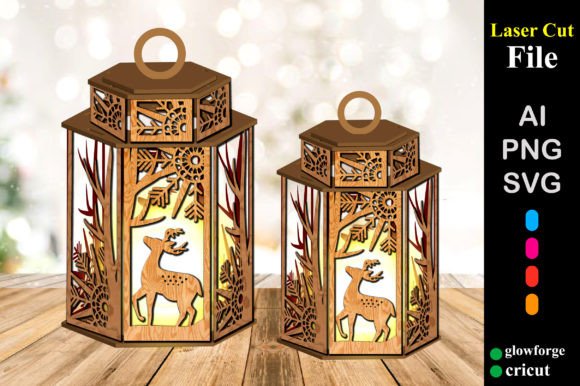
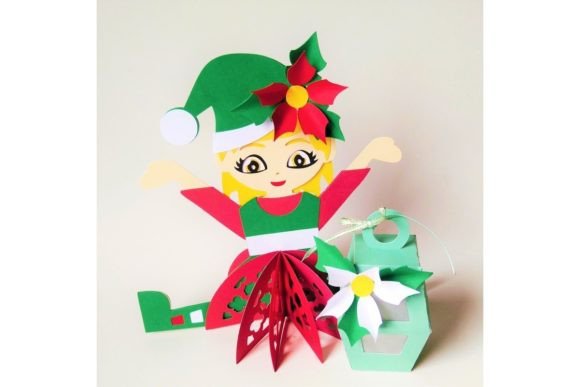
As a designer who has spent years curating assets for both personal craft projects and commercial embroidery lines, I approach every new file with a critical eye. The market is flooded with generic patterns, so finding a machine embroidery design that truly stands out requires looking beyond the preview image. When I first opened the files for Christmas Doll, my immediate reaction was one of cautious optimism. This isn't just another flat vector; it presents itself as a 3D SVG template, which immediately suggests depth and dimensionality in the final stitch. The inclusion of a lamp and a girl elf character adds narrative weight to the piece, moving it away from simple decoration toward storytelling.
First Impressions: Mood and Visual Personality
The visual personality of Christmas Doll is warm, nostalgic, and distinctly festive without being cluttered. In the digital workspace, the layout feels balanced. The girl elf character anchors the composition, while the lamp provides a vertical element that breaks up the horizontal flow. For an embroidery project, this balance is crucial. Too much detail on one side can cause fabric puckering or uneven tension, but the distribution here seems thoughtful. The mood it creates is perfect for the holiday season—it evokes the feeling of a cozy living room or a cherished childhood memory. This makes it an excellent candidate for personalized gifts where emotional resonance matters more than flashiness.
However, the "3D" aspect mentioned in the product type requires careful interpretation. In embroidery terms, true 3D effects are often achieved through specific techniques like applique design layers, dense fill stitch shading, or raised foam backing. As a reviewer, I advise you to examine the file structure closely to see if the depth is inherent in the vector paths or if it relies on your machine's ability to render gradients and shadows. If the design relies heavily on fine lines to create depth, you must ensure your machine settings are optimized to prevent thread breakage.
Real-World Application: From File to Finished Product
Let's talk about how Christmas Doll translates to real-world scenarios. Imagine you are running a small Etsy shop preparing for the December rush. You need a hero product for your custom apparel line. I envision this design working exceptionally well on a heavy-weight cream or oatmeal-colored sweatshirt. The neutral background would allow the colors of the elf and the warm glow of the lamp to pop. The sweatshirt embroidery would benefit from the design's structured elements, creating a premium look that justifies a higher price point.
Alternatively, consider a tote bag design made from sturdy canvas. The durability of the fabric pairs well with the likely density of a doll-themed design. Customers love carrying holiday spirit around town, and a high-quality embroidered tote featuring the Christmas Doll serves as both a functional item and a walking advertisement for your brand. For those focusing on home decor, a pillow cover or a kitchen towel offers a softer, more intimate application. The whimsical nature of the girl elf fits perfectly into nursery decor or as a festive accent in a dining room.
If you are targeting the baby embroidery market, this design could be adapted for a onesie or a blanket, provided the stitch density is adjusted to keep the fabric soft against sensitive skin. The key here is versatility. Whether you are making a single handmade product for a friend or producing a batch of small shop merchandise, the design needs to hold up under scrutiny. The clarity of the elf's face and the details of the lamp will determine customer satisfaction. Blurry faces or muddy details in the lamp's glass are instant deal-breakers for buyers.
Critical Considerations for Fabric and Technique
While the potential is high, there are specific areas where Christmas Doll demands caution. First, consider the hoop size. Complex designs with multiple elements like a doll and a lamp often require a larger hoop to maintain proper registration between stitches. If you attempt to fit this into a tiny 4x4 hoop, you risk distorting the proportions, making the elf look stretched or the lamp too small to recognize. Always check the dimensions before committing to a project.
Fabric texture is another major factor. On smooth cotton or linen, the design will shine. However, on highly textured fabrics like chunky knits or thick fleece, the fine details of the elf's features might get lost in the weave. Similarly, using this on stretchy fabric without the correct stabilizer can lead to significant distortion. The tension required for a detailed digital embroidery file can pull the fabric, causing the finished product to look warped once removed from the hoop.
Dark fabrics present their own challenges. While they offer a dramatic contrast, they often require underlays to prevent the base fabric from showing through lighter threads. If you plan to use this design on black or navy garments, test the thread colors first. Ensure the white highlights on the lamp and the elf's accessories have enough coverage to appear bright rather than grayish. Additionally, avoid placing the design on curved surfaces like caps unless you are experienced with cap embroidery adjustments. The straight lines of the lamp may not conform well to a rounded brim without significant digitizing tweaks.
Designer Notes for Professional Execution
To ensure your finished product meets professional standards, follow these practical steps before launching your project:
- Test on Scrap Fabric: Never skip this step. Stitch out Christmas Doll on a scrap piece of the actual fabric you intend to use. Check for puckering, thread breaks, and color accuracy.
- Review Stitch Density: Inspect the file for overly dense areas, particularly in the lamp shade or the elf's clothing. High density can stiffen the fabric and make washing difficult. Adjust the fill stitch percentage if necessary.
- Check Small Details: Zoom in on the elf's facial features. Are the eyes and mouth defined by running stitch or satin? Fine details can easily turn into blobs if the needle deflection isn't managed correctly.
- Mockup Testing: Create a printable mockup in black and white to assess contrast before stitching. This helps you visualize how the design will read on different backgrounds.
- Stabilizer Selection: Use a tear-away stabilizer for woven fabrics and a cut-away for knits to support the weight of the embroidery.
- Licensing Verification: Before selling any commercial embroidery items, confirm the licensing terms. Does the purchase allow you to sell finished goods? Can you resell the embroidery file itself? Misunderstanding these terms can jeopardize your business.
Final Verdict on Commercial Viability
In conclusion, Christmas Doll is a strong asset for designers looking to elevate their holiday collections. Its combination of a classic theme with a modern 3D aesthetic makes it suitable for a wide range of applications, from embroidered patches to boutique branding. The inclusion of the lamp and the girl elf gives it a unique identity that separates it from generic snowflakes or trees.
However, its success depends entirely on execution. It is not a "load and go" design for beginners working with difficult materials. It requires attention to hoop size, fabric choice, and stabilizer usage to achieve the best results. For the Etsy seller or craft business owner willing to invest time in testing and quality control, this design offers a high return in terms of visual appeal and customer engagement. It has the potential to become a signature piece for your shop, driving recognition and trust among your clientele. Just remember to respect the technical requirements of the file, and your holiday embroidery projects will be nothing short of magical.